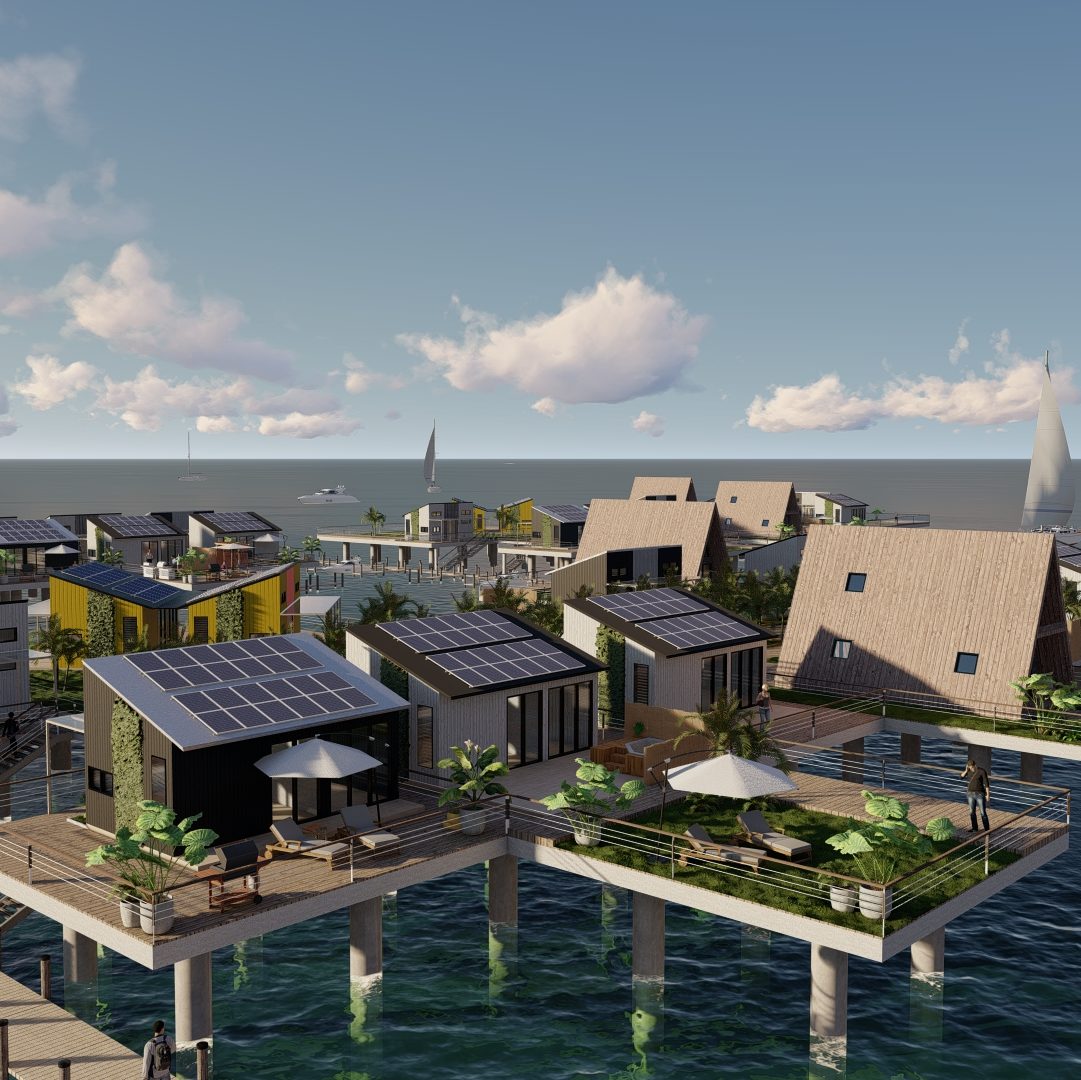
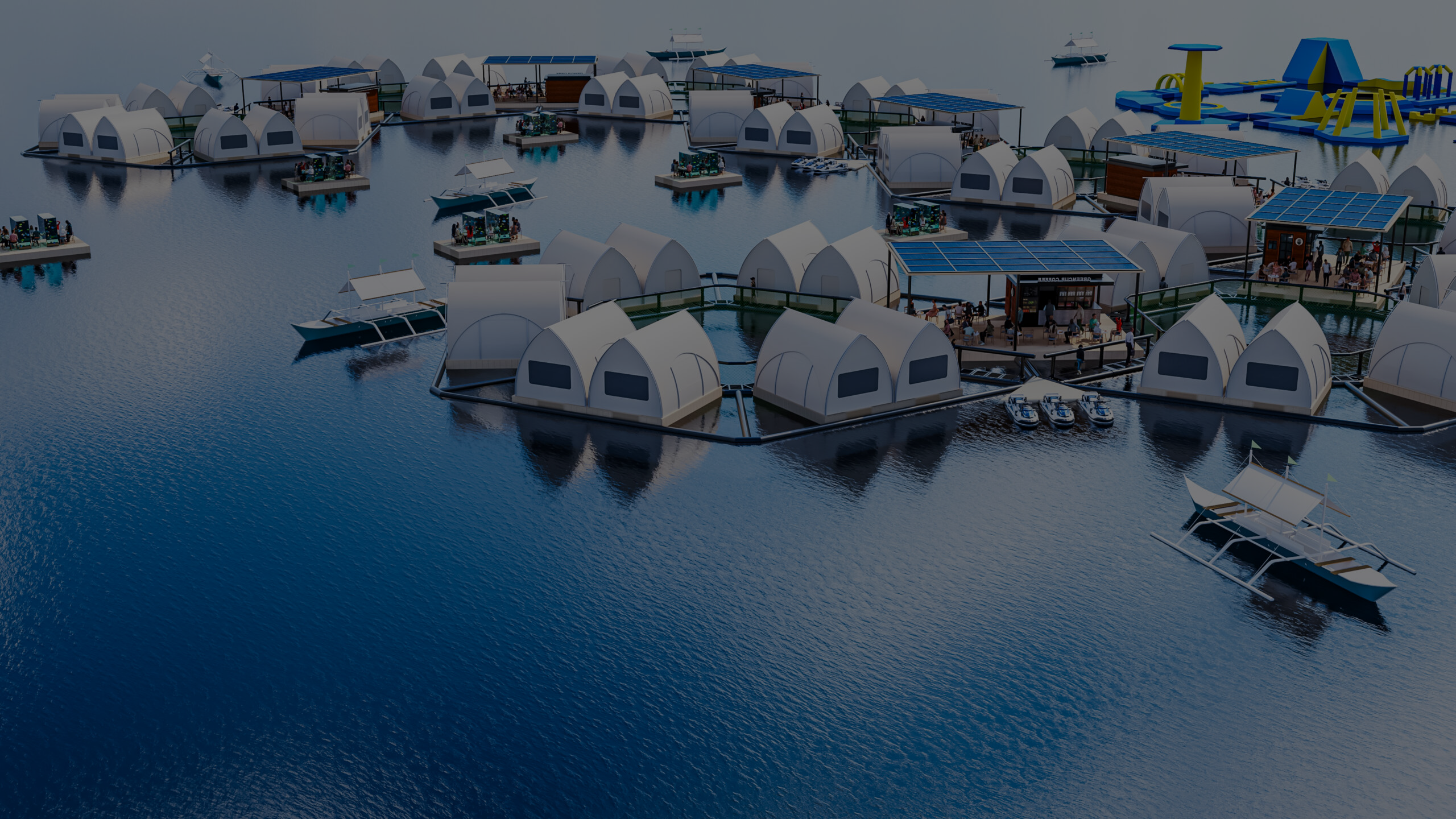
Seasteading: A Possible Timeline


Seasteading:  A Possible Timeline

Updated May 10, 2009

About the Timeline

The purpose of this timeline is to put forth a vision that is more detailed than our mission statement.  The intent is not to lock ourselves to a particular set of steps or expectations, but merely to align our organization and community in the same general direction as we begin to walk this path together.   

This document describes what might be achieved, but not much detail about how we hope to get there.  There are multiple paths to TSI's vision, and we intend to pursue them all in parallel.  For more information about our overall strategy, and how we intend to grow the seasteading movement in the near term, please see our organizational strategy.

Obviously, this timeline is highly speculative!  It is hard to say how seasteading will unfold even 5 or 10 years out, much less 50 or 100.  The goals and approaches described here will almost certainly change substantially as the seasteading movement evolves.

For general background about seasteading and TSI, please see our introduction and FAQ.

Seasteading: A Possible Timeline

2 years from now:

  • Seasteading population:  
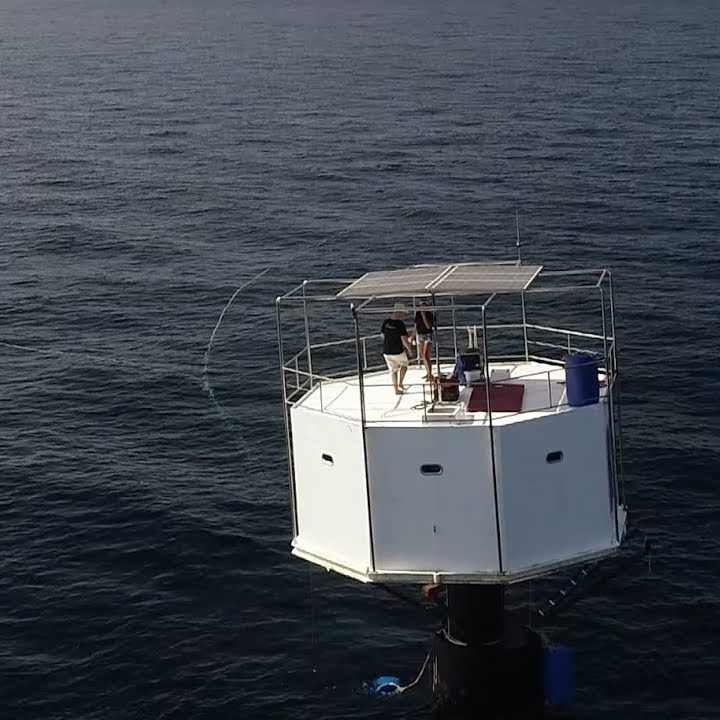
    • 1 single-family seastead in operation.
  • Residential sector:  
    • The first seasteaders have provided a living proof-of-concept for the idea of residential seasteading.
    • The second annual Ephemerisle festival is held in the San Francisco Bay, drawing 500 people.
  • Commercial sector:  
    • Ocean-based businesses which are directly adaptable to seasteading are operating.
  • Legal landscape:
    • Experts in maritime law are actively involved in the movement, and have produced a formal report with an initial assessment of seasteading's legal landscape.
  • TSI's focus:  
    • Community:  Growing a global community of seasteading supporters to generate awareness, support and funding.
    • Growth:  Working to help a few pioneering ocean-based businesses (which should be adaptable to seasteads) get off to a successful start.
    • Engineering:  Prototyping small seasteads, both centrally through TSI and through distributed community efforts.  Ongoing R&D on commercial and residential seastead designs.
    • Legal:  Investigating legal questions pertaining to seasteading.


    5 years from now:

  • Seasteading population:
    • At least 150 individuals, primarily on one or more seasteading-oriented residential cruise boats.
  • Residential sector:
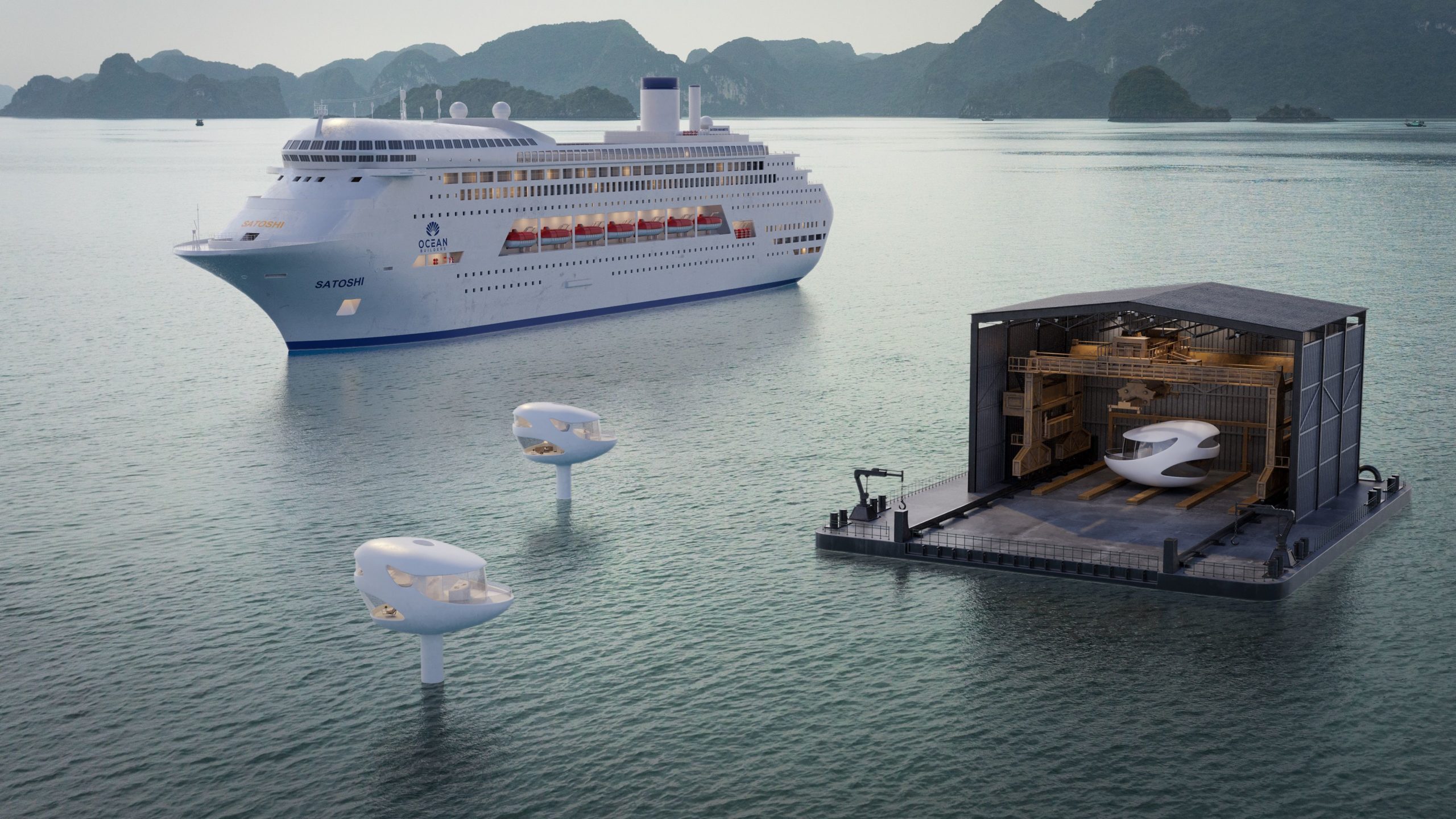
    • Residential cruise ships are in operation, with price ranges for the low-to-mid-range residential market.
    • Some pioneers are living on small, custom-made seasteads.
    • Ephemerisle is happening in international waters.
  • Commercial sector:  
    • $10 million in annual revenue is generated from ocean-based businesses.
  • Legal landscape:
    • The legal questions and challenges facing seasteads are well-understood with help from qualified legal experts that have experience in maritime law.
  • TSI's focus:  
    • Community:  Growing a global community of seasteading supporters to generate awareness, support and funding.
    • Growth:  Actively encouraging, advising, and otherwise supporting the formation of new ocean-based commercial ventures.
    • Engineering:  Performing ongoing R&D on commercial and residential seastead designs.
    • Legal:  Investigating legal questions pertaining to seasteading.  Early discussions about seasteading with the U.S. government.


    10 years from now:

  • Seasteading population:
    • At least 1,000 individuals worldwide.
  • Residential sector:
    • The residential sector is still growing slowly, and mostly consists of residential cruise ships and employees of ocean-based businesses.
    • There are multiple Ephemerisles in operation, lasting up to two weeks and attracting several thousand people in total.
  • Commercial sector:  
    • $100 million in annual revenue from the ocean-based businesses, with many employees living on the water.
    • There is a growing awareness that residential employment on a commercial seastead is an attractive lifestyle choice for some lower-income segments of the world population, as it represents a substantially better standard of living. 
  • Legal landscape: 
    • Meaningful, open dialogues have been happening with relevant departments of the U.S. government and the United Nations.
    • Substantial clarity and awareness is being created in international maritime law about the legal status of seasteads.
  • TSI's focus:  
    • Community:  Growing a global community of seasteading supporters to generate awareness, support and funding.
    • Growth:  Actively encouraging, advising, and otherwise supporting the formation of new seastead-based commercial ventures.
    • Engineering:  Performing ongoing R&D on commercial and residential seastead designs.
    • Legal:  Spearheading ongoing legal discussions about seasteading with the U.S. government.


    15 years from now:

  • Seasteading population:  
    • At least 5,000 full-time seasteaders worldwide.
  • Residential sector:
    • Issues of safety, legality, cost, and comfort are addressed enough to make seastead-based residential communities practical.
    • The first artificial breakwater is built around a permanent seasteading community.
  • Commercial sector:
    • Seastead-based business has started to gain its own momentum -- many seastead-based businesses are forming, often without encouragement or involvement from TSI. 
    • An industry coalition has formed of seastead-based businesses to provide mutual support and unified representation to government and the general public. 
  • Legal landscape:
    • A legal framework (possibly flags of convenience) giving seasteads a reasonable degree of operational autonomy has been upheld in US or international courts of law.
  • TSI's focus:
    • Growth:  Focusing on global public awareness; helping the business world understand the competitive advantages and practical approaches to seasteading, and helping global citizens understand why life on a seastead might be right for them.  
      • Support:  Supporting seastead communities in the areas of establishment, law, activism, and civil scale.
      • Engineering:  Decreasing focus on engineering R&D as progress by for-profit seastead manufacturers accelerates.
      • Legal:  Beginning to fully engage other governments around the world about legal implications of seasteading.


    20 years from now:

  • Seasteading population:  
    • At least 20,000 full-time seasteaders worldwide.
  • Residential sector:
    • Many small seastead villages and towns exist in different regions around the world.
  • Commercial sector:
    • The commercial seasteading sector has strong momentum of its own.  The business world is starting to take notice and help evangelize.
  • Legal landscape:
    • The U.S. government has a friendly or neutral policy towards seasteads.
  • TSI's focus:
    • Growth:  Focusing on global public awareness; helping the business world understand the competitive advantages and practical approaches to seasteading, and helping global citizens understand why life on a seastead might be right for them.
    • Support:  Supporting seastead communities in the areas of establishment, law, activism, and civil scale.
    • Legal:  Global activism and government relations in support of the seasteading movement.


    25 years from now:

  • Seasteading population:  
    • At least 100,000 full-time seasteaders worldwide.
  • Residential sector:
    • There is at least one seastead city of 20,000 residents or more.
  • Commercial sector:
    • The first large, established corporations are starting to open major offices on seasteads as jurisdictional arbitrage increases the competitive advantage of operating on the ocean.
  • Legal landscape:
    • There is general consensus among seasteading policy experts about a plausible path to sovereignty for seastead city-states, even if it has not yet been achieved.
  • TSI's focus:
    • Growth:  Focusing on global public awareness; helping the business world understand the competitive advantages and practical approaches to seasteading, and helping global citizens understand why life on a seastead might be right for them.
    • Support:  Supporting seastead communities in the areas of establishment, law, activism, and civil scale.
    • Legal:  Global activism and government relations in support of the seasteading movement.


    50 years from now:

    • At least 5,000,000 full-time seasteaders worldwide.
    • Some seasteads are generally recognized as sovereign states by other world powers.


    75 years from now:

    • At least 75,000,000 full-time seasteaders worldwide.
    • At least one seastead city-state is considered a notable world power.


    100 years from now:

    • At least 500,000,000 full-time seasteaders worldwide.
    • The effects of competitive government and fluid geography are readily apparent, and are openly discussed by world leaders as a significant factor in shaping their own policy decisions.